
Remember when your child loved learning?
ProblemScape brings that spark back for algebra—the subject that usually kills it.
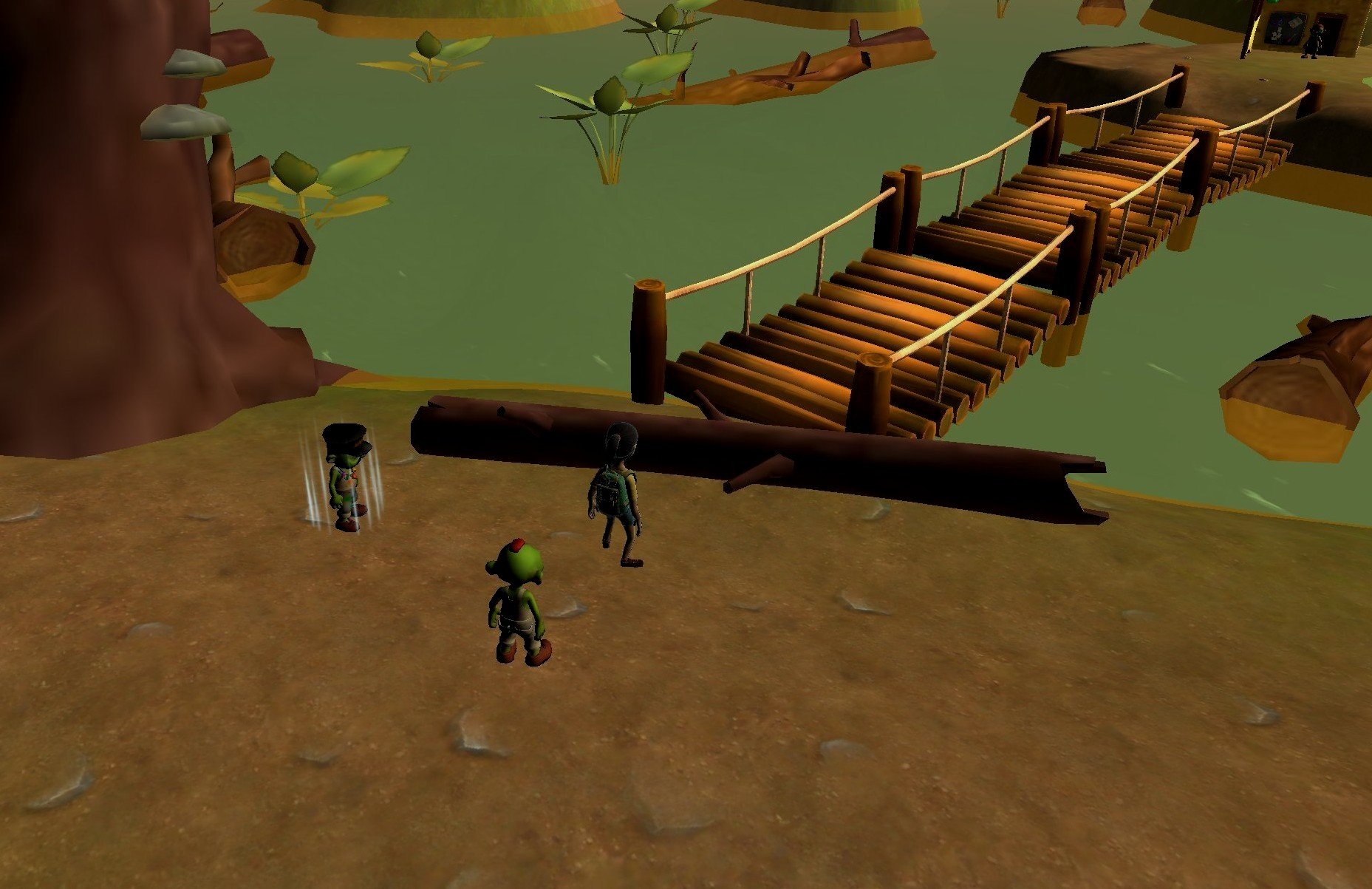
Adventure Through Story Worlds
Students solve real algebra problems to progress through engaging narratives—making math meaningful, not memorization.
Practice With Built-in Support
Video tutorials, worked examples, and timely hints ensure students understand concepts deeply before moving forward.
See Exactly What They're Learning
Your parent dashboard shows real-time progress, strengths, and areas to focus on—no guesswork required.
What Makes ProblemScape Different
| Feature | ProblemScape | Traditional Workbooks | Online Practices | Other Math Games |
|---|---|---|---|---|
| Story-driven engagement | ✅ | ❌ | ❌ | Unlikely |
| Complete Curriculum | ✅ | ✅ | ✅ | ❌ |
| Instant feedback | ✅ | ❌ | ✅ | ✅ |
| Real-world applications | ✅ | Some | Some | ❌ |
| Research-backed design | ✅ | Varies | Varies | ❌ |
| Parent support needed | Low | High | Medium | Low |
Here’s What Students Get Access To:
- An Adventure to Engage Students
![One student]()
- A Narrative to Spotlight Applications
![Learning content]()
- Videos that Discuss the 'Why'
![Learning portal]()
- Activities for Deep Understanding
![Learning portal]()
To learn foundational pre-algebra and algebra concepts with the understanding that algebra is NOT something 'they'll never use in their lives!'
Some Frequently Asked Questions
ProblemScape is an adventure game where your child learns algebra by solving real-world problems to progress through the story. It's not just a game with math tacked on—it's a complete learning environment with:
- Story-driven problem-solving
- Video lessons and animations
- Practice problems with instant feedback
- Worked examples
- Challenge activities
- Built-in reviews
ProblemScape teaches all the foundational algebra skills your child needs for continued learning: from basic expressions and equations through graphing and inequalities. It aligns with Common Core and most state standards. Think of it as a complete introductory algebra course—just way more engaging.
Most students play 20-30 minutes per day, 4-5 days per week. The game has a total of 8 chapters spanning key pre-algebra and algebra concepts. Although the game is completely self-paced and it is possible for students who have already mastered these concepts to progress through the game quickly, to learn and fully master the concepts in each chapter takes about 2-4 weeks if played for 20-30 minutes every day.
ProblemScape has built-in help at every level: Video lessons, worked examples, and practice sessions for every concept let students build confidence before tackling harder challenges. Instant feedback shows them what they got right and where they need help Plus, you can always reach us at info@roundedlearning.com if you need support. We're here to help!
They'll do both—and that's the point! Research shows that when algebra is introduced through story, relevance, and engagement, students don't just memorize formulas—they genuinely understand the concepts and can apply them in new situations. ProblemScape builds the same algebraic thinking skills as traditional curricula, just in a way that keeps kids motivated and engaged. The game mechanics aren't a distraction from learning—they're a vehicle for it.
Great question!
[Short answer: While students can move at their own pace, ProblemScape is designed so that meaningful progress requires genuine algebra understanding, reinforced through learning-by-teaching and end-of-chapter practices.]
While it’s technically possible to move quickly through the adventure, ProblemScape is intentionally designed so that progress depends on real mathematical understanding. The story and gameplay are tightly integrated with the math, which means students who don’t yet have a solid grasp of algebra concepts will naturally find it harder to move ahead.
For example, in the very first chapter, the student’s virtual assistant asks them to teach how to evaluate expressions using the order of operations. This “learning-by-teaching” interaction—developed with funding from the National Science Foundation—encourages students to pause, reflect, and articulate what they know, helping to strengthen and solidify their understanding.
We also designed ProblemScape to ensure that learning transfers beyond the game. At the end of each chapter, students must complete a targeted practice session to unlock the next part of the story. This reinforces key ideas and helps ensure that what they learn in the game carries over to their math work outside of it.


